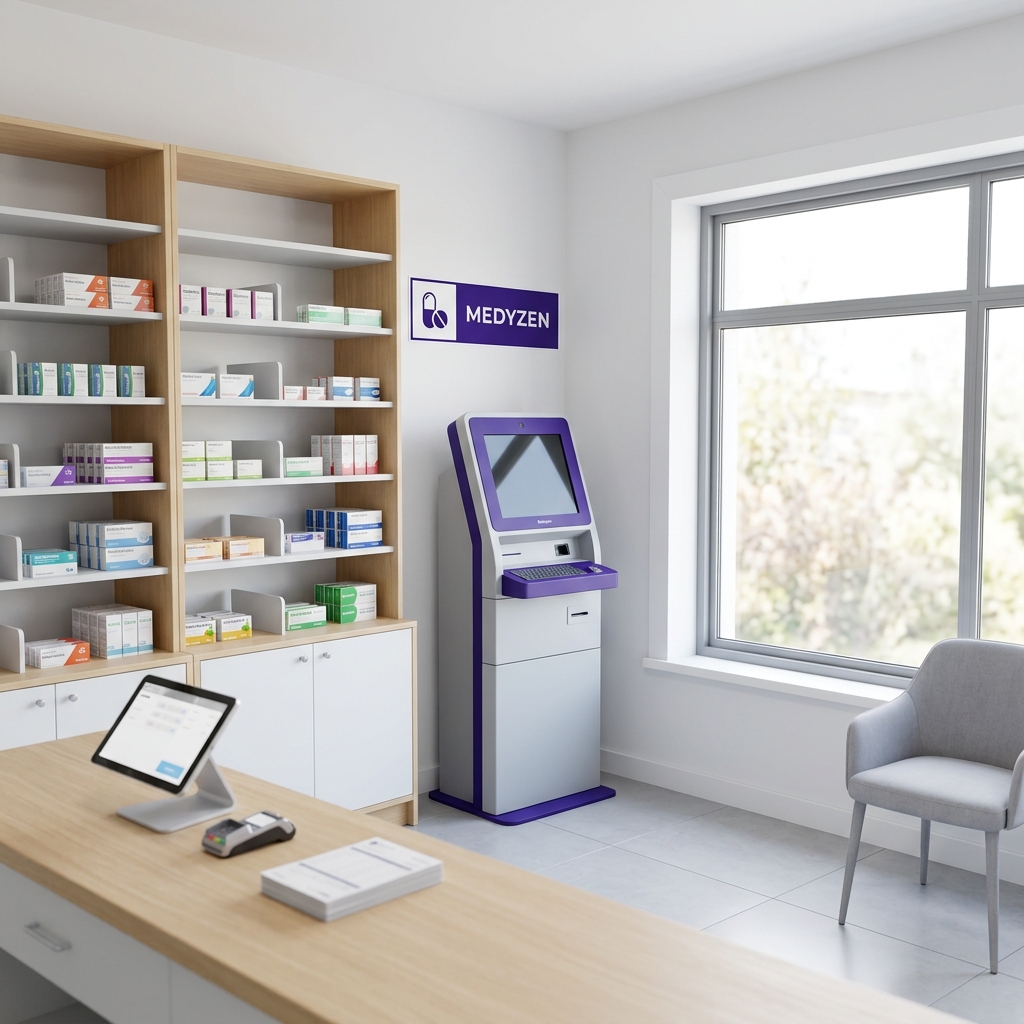
Clinic or Nursing Home Pharmacy Setup Checklist (India)
Registration, drug licensing, biomedical waste authorisation, layout and essential stock for a clinic or nursing home pharmacy in India, in the right order.
This checklist covers all four in sequence, plus the specific emergency medicines a small facility's pharmacy needs on hand that a pure retail checklist wouldn't mention.
What licences does a clinic or nursing home need before stocking any medicine?
Register the facility itself under your state's Clinical Establishments Act or the relevant local municipal corporation norms, since this registration is the foundation everything else builds on and most other licences assume it's already in place. Alongside it, every practicing doctor needs current registration with the National Medical Commission or the relevant State Medical Council, which is a separate requirement from the facility's own registration.
Only once the facility and practitioners are registered does the drug licence application make sense to file: a retail licence in Form 20 and 21, filed through your state FDA or Drug Control portal, requiring a registered pharmacist with a B.Pharm or D.Pharm qualification. Filing this before the establishment registration is in place is one of the more common, entirely avoidable reasons a first application bounces back with a request for missing prerequisite documents.
Our drug licence guide and documents checklist cover this specific application in full detail, including the exact forms and fees involved.
Why does biomedical waste authorisation matter for a pharmacy specifically?
A pharmacy generates biomedical waste the moment it starts dispensing. Expired medicines, used syringes if injections are given on-site, and packaging contaminated during dispensing all fall under the Biomedical Waste Management Rules, not general municipal waste disposal.
Securing an agreement with a State Pollution Control Board-authorised waste collector before you open, not after an inspector asks for one, is what keeps this from becoming the licence you scramble for after everything else is already running.
This requirement is easy to miss specifically because it isn't part of the drug licence application itself. It's a separate authorisation entirely, and a facility can hold a perfectly valid drug licence while still being non-compliant on biomedical waste, which is exactly the gap inspectors are trained to check.
What about GST, Shop and Establishment, and the other business registrations?
Beyond clinical and pharmacy-specific licensing, a clinic or nursing home pharmacy needs GST registration to legally invoice patients, and a local Shop and Establishment licence covering the business operation itself, separate from the clinical registration covering patient care. These are standard business registrations rather than health-sector-specific ones, but they're commonly forgotten precisely because they feel like an afterthought next to the more visible drug licence and clinical registration.
Our GST for pharmacy guide covers registration thresholds and filing in detail, since GST treatment varies by medicine category and matters from the first invoice a pharmacy issues.
What layout does a clinic or nursing home pharmacy actually need?
Minimum carpet area for a basic pharmacy unit typically runs 10 square metres or more, with proper ventilation and adequate lighting, but a functioning layout needs more thought than the bare minimum. Patient flow should move clearly from reception through waiting to consultation rooms, with a distinct dispensing window that doesn't force pharmacy queues to cross paths with patients waiting for a consultation.
Cold storage is non-negotiable the moment vaccines, insulin, or other thermolabile injections are stocked: a dedicated medical-grade refrigerator with an active temperature monitor, not a general-purpose fridge repurposed for the job. Inspectors check this specifically, and a lapsed or absent temperature log is a common, entirely avoidable compliance gap.
What medicines should a small facility's pharmacy actually stock?
Stock high-turnover essentials first, and size the initial order against your actual expected footfall rather than a generic list copied from a larger facility. Pain relievers, antibiotics, antacids, antiemetics and antihistamines cover the bulk of routine outpatient prescriptions a clinic or nursing home writes day to day, and these are the items that will need reordering most frequently once the pharmacy is actually running.
Beyond routine stock, emergency injectables are what separates an adequately stocked facility from an inadequately stocked one, since these are the medicines needed in the minutes that matter most. Adrenaline for anaphylaxis, Dexamethasone, Ceftriaxone, Normal Saline, and a working supply of IV administration sets belong on every shelf regardless of how small the facility is.
Disposables round out the essential list: sterile and non-sterile gloves, syringes, cannulas, cotton gauze, and basic first-aid supplies, all of which run out faster than a first-time operator typically expects once daily patient volume is real rather than projected.
Should a clinic or nursing home run this pharmacy in-house, or is there a better option?
A small facility often has the least administrative bandwidth of any hospital type to run pharmacy licensing, staffing, and inventory discipline well, precisely because the same one or two people are already handling clinical duties, patient scheduling, and business operations simultaneously. That's a genuine argument for at least considering a managed model rather than defaulting to in-house purely because that's what "opening a pharmacy" is assumed to mean.
Our managed hospital pharmacy services guide and in-house vs managed vs franchise comparison walk through when outsourcing genuinely makes sense for a smaller facility versus when the volume justifies building the capability directly.
What order should all of this actually happen in?
A well-sequenced nursing home pharmacy setup starts with clinical establishment registration, since drug licensing and most other approvals assume it already exists, and filing anything else first tends to bounce back for missing prerequisites.
Secure practitioner registrations and the biomedical waste agreement in parallel with the drug licence application once the establishment registration is filed. None of the three depends on the others being complete first, and running them in parallel saves real weeks of calendar time compared to filing them one after another.
Finalise layout and initial stock only once the licence is close to approval. Inspectors check that the physical space matches what was described in the application, and stocking before approval risks holding inventory you may not yet be legally able to dispense, tying up working capital in medicine that sits unsold until the paperwork catches up.
Sources
- 1Central Drugs Standard Control Organisation — Drugs and Cosmetics Act, 1940 and Rules, 1945
- 2Pharmacy Unit, Part B — Indian Health Facility Guidelines
- 3Biomedical Waste Management Rules, 2016 — Central Pollution Control Board
- 4Clinical Establishments Act, 2010 — Ministry of Health and Family Welfare
- 5National Medical Commission — practitioner registration requirements
- 6Pharmacy Council of India — registration requirements under the Pharmacy Act, 1948
Launch a pharmacy in under 30 days
Perfect for new clinics and nursing homes — zero capital, fully managed.
This article is for informational purposes and is not a substitute for professional legal or medical advice. Requirements vary by state and change without notice. Verify current registration, licensing and waste disposal requirements with the relevant state authority before opening.
FAQ
Frequently asked questions
Clinical establishment registration, practitioner registration with the NMC or State Medical Council, a retail drug licence in Form 20 and 21 with a registered pharmacist, biomedical waste authorisation, GST registration, and a local Shop and Establishment licence.
Yes. Any facility dispensing medicine, giving injections, or generating medical waste of any kind falls under the Biomedical Waste Management Rules regardless of size, and needs a documented agreement with an authorised waste collector, not an informal disposal arrangement.
Adrenaline, Dexamethasone, Ceftriaxone, Normal Saline, and IV administration sets are commonly cited as baseline emergency stock, alongside whatever additional medicines your facility's specific case mix and clinical protocols require.
Yes. Managed pharmacy arrangements exist specifically for facilities that would rather not carry licensing, staffing and inventory risk directly, in exchange for a share of pharmacy revenue rather than a full standalone build.
Dr. Vikram NairPharm.D, M.Pharm (Pharmacy Practice)
Clinical Pharmacist & Pharmacy Operations Specialist
Dr. Vikram Nair is a clinical pharmacist specializing in pharmacy licensing, GST and regulatory compliance, and hospital pharmacy operations in India.