
Top-Selling Diabetes Drugs in India: Market Overview
The diabetes drug classes and combinations that dominate Indian prescribing, per ICMR guidelines and IQVIA market data, for hospital formulary reference.
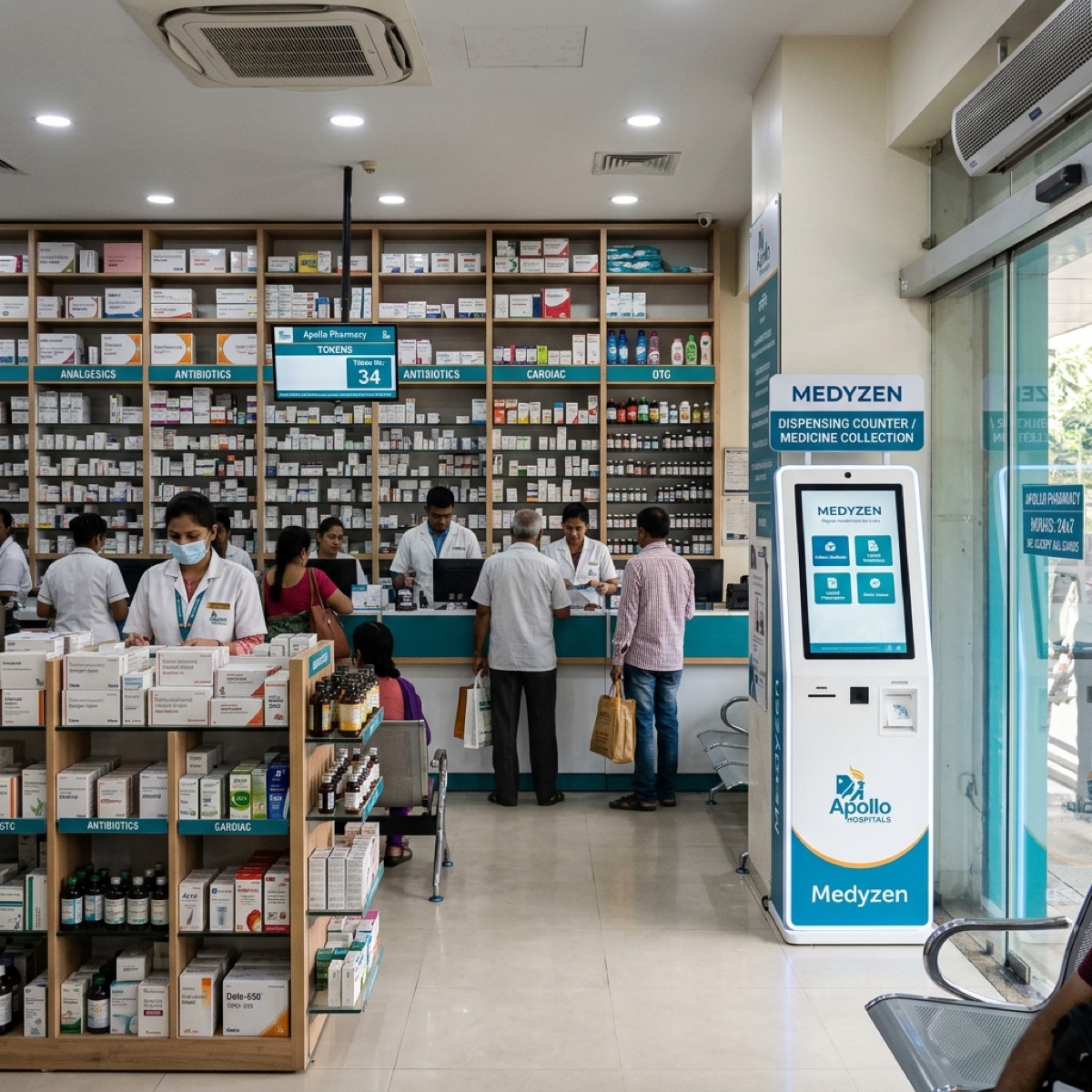
This covers why metformin holds the dominant first-line position under Indian clinical guidelines, which combination therapies follow it in prescribing volume, what market data shows about growth in this category, and what that prescribing pattern means for hospital pharmacy formulary planning.
Why does metformin dominate first-line diabetes prescribing in India?
Metformin is the first-choice oral antidiabetic medicine at the outset of type 2 diabetes under current Indian clinical guidelines, according to ICMR's 2018 Guidelines for Management of Type 2 Diabetes, a position also reflected in RSSDI-ESI clinical practice recommendations for Asian Indian patients. This guideline-level consensus, not simply market habit, is the primary driver of metformin's volume dominance.
Metformin's position is reinforced by its established safety profile, low cost and decades of accumulated clinical evidence specific to the Asian Indian population that RSSDI's own recommendations, built from over 1,300 publications, draw on directly. A hospital formulary treating metformin as anything other than the default first-line stocking priority would be working against both guideline consensus and prescribing reality.
Which combination therapies follow metformin in prescribing volume?
Glimepiride-metformin combinations account for roughly 17% of traditional oral antidiabetic therapy prescribing and have shown continued growth, according to IQVIA market-tracking data, while sitagliptin-metformin combinations, marketed as Janumet, represent a major share of DPP-4 inhibitor-based combination prescribing. These combinations typically enter as step-up therapy once metformin monotherapy no longer achieves adequate glycemic control.
Sitagliptin itself has historically represented the majority of at least one major manufacturer's overall diabetes drug revenue in the Indian and broader market, reflecting how significant DPP-4 inhibitor-based prescribing has become as a second-line addition alongside metformin. A hospital formulary should expect steady demand for both the glimepiride and DPP-4 inhibitor combination categories as step-up options behind metformin.
What does market data show about newer diabetes drug classes gaining share in India?
SGLT2 inhibitors, including empagliflozin, are projected to see substantial generic competition capture a majority of the molecule's market within a few years of patent expiry, according to IQVIA market projections, indicating this newer drug class is moving from a premium-priced niche toward broader accessible prescribing. This shift matters directly for hospital stocking economics, since a drug class moving into generic competition typically sees both price decline and volume increase simultaneously.
A hospital pharmacy formulary that hasn't yet incorporated SGLT2 inhibitor generics into its stocking mix risks falling behind a genuine, guideline-supported shift in second-line and cardio-renal-protective diabetes prescribing, distinct from the older metformin-sulfonylurea-DPP4 prescribing pattern.
How big is India's overall diabetes drug market, and what does that mean for demand?
India's diabetes care drugs market is projected to reach approximately USD 1.76 billion in 2025 and grow to USD 2.09 billion by 2030 at a 3.5% compound annual growth rate, according to industry market analysis. This steady, moderate growth rate reflects a market already large in absolute prescribing volume rather than one in early, rapid expansion.
For a hospital pharmacy, this scale means diabetes medication represents one of the most consistently high-volume chronic drug categories a general formulary carries, with demand driven more by India's underlying diabetes prevalence than by any single new drug launch reshaping the category overnight.
Does India's diabetes drug prescribing pattern differ from international patterns?
RSSDI-ESI clinical practice recommendations are built specifically around evidence for Asian Indian patients, reflecting documented differences in diabetes phenotype, including earlier onset and body composition, from Western populations studied in international guidelines. This is a genuine clinical basis for India's own guideline framework.
A hospital formulary informed only by international prescribing data, without accounting for India-specific guideline recommendations from ICMR and RSSDI, risks stocking a drug mix that doesn't match what Indian-guideline-following physicians in that hospital will actually prescribe.
What does high-volume diabetes drug demand mean for a hospital's pharmacy revenue?
Diabetes medication, given its lifelong daily-use nature and the sheer prescribing volume documented above, is exactly the category where consistent in-house availability compounds into significant cumulative pharmacy revenue over years of patient refills, or significant cumulative loss if patients are repeatedly sent elsewhere. A single stockout on a top-selling combination like a glimepiride-metformin product can push a patient toward an outside chemist relationship that persists for every subsequent refill.
Medyzen's managed hospital pharmacy services are built around keeping exactly this kind of high-frequency chronic medication category reliably stocked inside the hospital, and our piece on prescription leakage covers what that ongoing loss looks like across a hospital's full diabetic patient base. Our companion piece on insulin price and cost in India covers the injectable side of diabetes stocking that a comprehensive formulary needs alongside these oral agents.
Sources
- 1ICMR Guidelines for Management of Type 2 Diabetes 2018 — Indian Council of Medical Research
- 2RSSDI clinical practice recommendations for the management of type 2 diabetes mellitus 2017 — Research Society for the Study of Diabetes in India, National Library of Medicine
- 3India Diabetes Care Drugs Market Size — Mordor Intelligence market analysis
- 4Indian Pharmaceutical Market Quarterly Insights — IQVIA
- 5Central Drugs Standard Control Organisation — Drugs and Cosmetics Act, 1940 and Rules, 1945
This article is for informational purposes and is not a substitute for professional medical or financial advice. Market and prescribing data are drawn from cited industry and guideline sources and change over time. Consult the treating physician for any individual patient's diabetes treatment plan.
FAQ
Frequently asked questions
Yes, per ICMR's 2018 Guidelines for Management of Type 2 Diabetes and RSSDI-ESI clinical practice recommendations, metformin remains the first-choice oral antidiabetic medicine at diagnosis for most patients, a position unchanged in current Indian clinical guidance.
Glimepiride-metformin combinations and sitagliptin-metformin combinations (Janumet) represent major shares of combination prescribing in market-tracking data, typically used as step-up therapy once metformin monotherapy alone no longer achieves adequate control.
Yes. Market projections indicate generic competition is expected to capture a majority share of at least one major SGLT2 inhibitor molecule's market within a few years of patent expiry, signalling a shift toward broader, more affordable prescribing of this drug class.
RSSDI-ESI recommendations are built specifically on evidence for Asian Indian patients, who show documented differences in diabetes phenotype and onset compared to populations studied in some international guidelines, providing a genuine clinical basis for India-specific guidance.
Industry market analysis projects India's diabetes care drugs market to grow from approximately USD 1.76 billion in 2025 to USD 2.09 billion by 2030, a 3.5% compound annual growth rate.
Dr. Ananya DeshpandeMBBS, DM (Endocrinology)
Consultant Endocrinologist
Dr. Ananya Deshpande is a consultant endocrinologist writing on diabetes and insulin therapy, thyroid disorders, GLP-1 agonists, and metabolic conditions.